The Hidden Gems of NYC: Underrated Jewelry Shops Worth Visiting

The Hidden Gems of NYC: Underrated Jewelry Shops Worth Visiting

New York is known for its iconic jewelry landmarks. From the grandeur of Fifth Avenue to the bustling energy of the Diamond District, shoppers are spoiled for choice. But for those willing to explore a little deeper, the city holds a treasure trove of lesser-known boutiques where the real magic happens. These hidden gems are often overlooked, yet they offer some of the most unique and personal jewelry experiences in town.

Unlike the major retailers with scripted pitches and showroom lighting, these smaller shops often operate with a quieter confidence. Many are family-run with decades of expertise. Some focus on custom designs while others specialize in antique pieces or ethically sourced stones. Their charm lies in their honesty, their passion and the sense that you are discovering something that not everyone else has.

Smiling jeweler at I.D. Jewelry assisting a customer inside their Diamond District office in New York City

Whether you are a first-time buyer or a seasoned collector, visiting these underrated jewelers can completely change the way you think about jewelry shopping in New York. You are not just buying a product, you are engaging with a craft. The following guide takes you inside the corners of the city where quality meets character and where jewelry still tells a story.

Why the Best Jewelry in NYC Isn’t Always on 5th Avenue

Fifth Avenue has earned its reputation as a luxury destination, but that prestige often comes with inflated price tags and polished sales tactics. While the storefronts are beautiful and the branding is flawless, many shoppers pay more for the name than the piece itself. Behind the glass and velvet lies a curated experience built for volume and image, not necessarily for individuality or personal connection.

In contrast, some of the best jewelers in New York operate just a few blocks away or tucked into entirely different neighborhoods. These are the shops that rely on referrals, not billboards. They spend less on marketing and more on craftsmanship. Instead of pushing a preset collection, they sit down with customers to design pieces that actually mean something. These stores do not chase trends, they create relationships.

Exterior and interior of Catbird jewelry boutique on Bedford Avenue in Brooklyn, New York

What makes these underrated spots stand out is the experience. Buyers are not treated like numbers. They can take their time, ask questions, and get real answers from the person who might also be the designer or the owner. In a city where everything moves fast, that kind of personal attention is rare and it often leads to better value, better stories and better jewelry.

What Sets These Underrated Jewelers Apart

These lesser-known jewelers often take a hands-on approach that is missing from larger, showroom-driven stores. Instead of pushing preset designs, they encourage buyers to explore custom options, compare stones under different lighting and even observe part of the crafting process. Many work with a tight-knit team of artisans who prioritize detail over speed and that care shows in the final product.

Another key difference is transparency. At these shops, pricing is usually more straightforward. There is less of a markup tied to branding and more emphasis on educating the customer. You might sit across from the person who sourced the diamond or shaped the setting. That kind of direct connection builds trust, especially for buyers who are making a significant emotional and financial decision.

What also makes these jewelers unique is their adaptability. Because they are smaller, they can often accommodate special requests, work with non-traditional materials or offer repairs and resizing with a quick turnaround. Whether it is a vintage-inspired ring or a modern piece with subtle personalization, these stores prove that great jewelry is not always found under bright light, it often lives just around the corner.

Five Hidden Jewelry Stores Every Local Should Know

Tucked inside an unassuming office building at 2 West 47th Street is I.D. Jewelry, a family-run business that has quietly built a loyal following through word of mouth. Known for offering GIA-certified diamonds at highly competitive prices, this shop is often recommended by savvy New Yorkers who care more about quality and transparency than luxury storefronts. The owners are hands-on and patient, often walking clients through detailed comparisons without pressure.

In the East Village, Catbird has developed a cult following for its delicate, ethical jewelry and ultra-personalized customer experience. While the brand has gained national attention, the original Brooklyn location and the newer Soho store still retain a warm neighborhood vibe. Many pieces are made in-house, and the staff is happy to explain everything from recycled gold sourcing to minimalist stacking ring trends.

Over in Park Slope, The Clay Pot blends artisan jewelry with small-town charm. Originally a ceramics studio, it evolved into one of the best spots in the city for custom engagement rings and alternative designs. This shop is a favorite among couples looking for something different from the usual solitaire and its collection of independent designers keeps the offerings fresh and personal.

Jeweler at The Clay Pot in Park Slope Brooklyn displaying artisan engagement rings and handcrafted jewelry

Greenwich St. Jewelers, located in the Financial District, is a second-generation business that bridges old-school service with modern tastes. Known for their deep knowledge of stones and settings, the team offers both classic and contemporary styles, including pieces from sustainable designers. Their engagement ring consultations are relaxed and educational, making it a top pick for those new to the process.

If you wander into Nolita, you might come across Love Adorned, a jewelry and lifestyle store that curates pieces from around the world. The selection leans toward bohemian and organic, with handmade rings, antique charms and unusual gemstone cuts. While it does not scream traditional diamond shop, locals love it for gifts and meaningful pieces that reflect personal style.

Midtown’s Lauren B Jewelry specializes in custom engagement rings and has become a hidden gem for diamond buyers who want high-end design without inflated costs. Though located just off the Diamond District, it feels like its own world. The staff takes time to walk clients through every detail, from CAD renderings to hand engraving, and they have a strong reputation for sourcing well-cut diamonds at fair prices.

Finally, New Top Jewelry is one of Chinatown’s most underappreciated resources. Known for its straightforward pricing and ability to create highly personalized pieces on request, this tiny storefront has a loyal base of return clients. From nameplate necklaces to classic gold bands, they handle it all without fanfare, just skill, honesty and a surprising amount of speed.

How to Shop Smart When Visiting These Stores

Shopping at smaller jewelry stores can be a rewarding experience, but it helps to come prepared. Start by doing a bit of research on what you are looking for. Know the basic terms like carat, color, clarity and cut if you are shopping for a diamond. If you are seeking something more artistic or gemstone-based, browse the shop’s Instagram or website to get a sense of their style. This helps you walk in with confidence and ask the right questions.

Always ask to see the piece in different lighting. Most reputable jewelers will happily take the time to show you how a diamond or gem looks under daylight, spotlights or soft indoor lighting. This is especially important if you are considering stones that fall into warmer color ranges or if you are debating between different metal settings. What sparkles in a display case may look different on your hand or in your own environment.

Do not be afraid to ask about origin and materials. Many smaller shops take pride in ethical sourcing, recycled metals or working with specific designers. These details not only affect pricing, they add character and meaning to your purchase. A good jeweler will be transparent about where their stones come from and how their pieces are made. If they are not, it may be a sign to move on.

Finally, take your time. The best part about shopping off the beaten path is that you are not in a rush. There is no hard sell, no pressure and no fake urgency. Ask for a quote in writing, take photos of what you liked and come back if needed. A piece of jewelry should feel right to you. Not just in price, but in story, design and intention.

The Charm of Shopping Off the Beaten Path

There is something special about discovering a piece of jewelry in a place that does not rely on foot traffic or flashy signage. These shops may not have velvet ropes or celebrity endorsements, but what they offer is often more lasting. A personal conversation, a design made just for you, a ring that carries the fingerprints of its maker, these are the kinds of touches that stay with you long after the receipt is folded away.

In a city as big and fast as New York, it is easy to get caught up in big names and bright lights. But real value often hides in smaller spaces. Whether it is a family-owned store with generations of knowledge or a quiet boutique filled with creative energy, these hidden gems remind us that the best jewelry is not just worn, it is experienced. Take the time to look beyond the obvious. You might find something perfect waiting just around the corner.…

How Diamond Color Grading Became a New York Obsession

New York is a city that thrives on taste, precision, and bold personal style. From haute couture to streetwear, every detail matters. That same obsession with detail carries into one of the most quietly competitive corners of the city’s luxury market: diamonds. While many buyers fixate on carat size or clarity, New Yorkers are increasingly turning their attention to a more subtle trait: color.

Unlike the sparkle that catches the eye at first glance, diamond color reveals itself in more nuanced ways. The difference between a D and an H color diamond might go unnoticed to some, but to an educated New York buyer, it can define the line between a good choice and a perfect one. Jewelers across the city are adapting to this sharper demand by highlighting color expertise, offering side-by-side comparisons and using lighting conditions that reveal true hue.

Jewelers on Fifth Avenue in New York City’s Diamond District with people walking by

So what turned diamond color grading into a local obsession? It is not just about vanity or value. In New York, it is about knowledge. Owning a well-chosen diamond means understanding what you are looking at and why it stands out. It is a reflection of refined taste, a bit of insider savvy, and the thrill of outsmarting the market.

The Rise of Diamond Culture in NYC

New York City has long been a global capital of fashion and luxury, but its relationship with diamonds runs deeper than glossy storefronts and velvet ring boxes. From the historic Diamond District on 47th Street to the custom ateliers in SoHo and Tribeca, the city has built a legacy on diamond craftsmanship and trade. What started as a hub for dealers and wholesalers quickly evolved into a marketplace where buyers come not just for sparkle but for education and experience.

The city’s diverse population has shaped a diamond culture that is anything but one-size-fits-all. Engagement ring shoppers, collectors and stylists approach diamonds from different angles, bringing unique preferences and expectations. Some value rarity and certification, while others prioritize appearance under natural light or the symbolic meaning of a stone. This blend of tastes has pushed jewelers to refine how they present color and guide buyers through the grading process.

New Yorkers are not passive buyers. They ask questions, compare stones and often come in already familiar with terms like “near colorless” or “faint yellow tint.” Jewelers here report that clients are more likely to request specific color grades, such as G or H, and want to see them next to both higher and lower options. This growing awareness has turned diamond shopping into a form of self-education, one that reflects the city’s broader culture of informed decision-making.

Social media has amplified this trend. Influencers, stylists and jewelry consultants based in New York frequently share side-by-side comparisons and discuss how lighting, metal color and setting style can impact the appearance of diamond color. What was once a behind-the-scenes element of diamond grading has moved into the spotlight. As a result, more buyers are developing a preference for color ranges that suit their lifestyle and aesthetic rather than defaulting to the highest possible grade.

What truly sets New York’s diamond culture apart is the confidence with which buyers make trade-offs. Someone may opt for a slightly lower color grade to gain size or clarity, knowing the differences are minimal to the naked eye. Others may insist on a D color diamond simply because it feels right. In this city, both decisions are seen as equally valid, because knowledge, not just budget, drives the purchase.

What Is Diamond Color Grading?

Diamond color grading is the process of evaluating how much color is present in a diamond, usually in terms of a yellow or brown tint. The Gemological Institute of America (GIA) developed the most widely accepted scale, which ranges from D (completely colorless) to Z (noticeable tint). This grading system allows buyers and jewelers to compare diamonds objectively and understand how color impacts both appearance and value.

While the idea of “color” might sound like a creative trait, in diamond grading, less is more. The most prized diamonds in the D to F range appear icy and bright, especially in white gold or platinum settings. Diamonds graded G to J are considered near-colorless and often offer better value without sacrificing beauty. Beyond J, the tint becomes more visible to the naked eye, especially when the diamond is larger or set in a white metal.

Grading is done under strict lab conditions using standardized lighting and background environments. However, in real-world settings like a sunlit New York café or a dimly lit rooftop event, a diamond may look slightly warmer or cooler depending on surrounding colors and lighting. That’s why understanding grading is just the beginning. Smart buyers learn how to match the grade to their personal preferences, skin tone and choice of ring metal.

Why New Yorkers Are Drawn to Colorless Brilliance

In a city where minimalism and luxury often walk hand in hand, the appeal of a colorless diamond is undeniable. A D or E color diamond exudes a crisp, pure brilliance that reflects status, style and attention to detail. For many New Yorkers, especially those working in fashion, media or finance, choosing a high color grade is less about tradition and more about making a statement that feels sharp and intentional.

Colorless diamonds also pair seamlessly with modern aesthetics. Whether set in sleek platinum or paired with contemporary designs, their cool tone complements the clean lines and understated elegance that define so much of the city’s visual language. In neighborhoods like Chelsea and the Upper East Side, jewelers say clients often gravitate toward stones that photograph well in natural and studio lighting, where any warmth could become noticeable.

Beyond visual appeal, there’s a psychological factor at play. Owning a diamond that’s close to perfect in color offers a sense of pride and certainty. For a city that moves fast and values expertise, choosing a top-tier color grade feels like an educated decision. It is a quiet form of luxury, something not loudly advertised but unmistakably understood by those who know.

Famous Diamond Boutiques and Their Color Expertise

New York City is home to some of the world’s most iconic diamond boutiques, many of which have built their reputations not just on inventory or prestige but on deep expertise in diamond color. Walk into one of these showrooms and you will quickly see that color grading is treated as an art as much as a science. The staff know how to highlight the subtleties between adjacent grades and explain how setting styles and lighting affect perception in everyday life.

One standout is Tiffany & Co., whose flagship store on Fifth Avenue remains a global symbol of elegance. Tiffany consistently features diamonds in the colorless range and is known for its strict sourcing standards. Their specialists often walk clients through the finer points of color contrast, helping buyers decide whether a warmer grade will work in a yellow gold setting or if only a D will do. Their lighting is carefully calibrated to show true color without distortion.

Interior of the Tiffany & Co. flagship store on Fifth Avenue in New York City with elegant jewelry displays and skylight.

Harry Winston, another legendary name, takes a couture approach to diamond curation. Each stone is hand-selected not only for its technical grade but also for how it performs under varying lighting conditions. Their experts emphasize that not all D color diamonds look the same. Some may appear slightly cooler or warmer due to fluorescence or crystal structure. Clients are encouraged to compare stones side by side before making a decision.

Boutiques like Kwiat, De Beers and Martin Flyer have also carved out a niche by educating buyers on the balance between brilliance and color. Kwiat, in particular, focuses on transparency, often displaying unmounted stones so that clients can view the natural tint without distraction. These jewelers understand that modern buyers are informed and curious, so they prioritize open dialogue over hard selling.

Even smaller shops in the Diamond District have adapted to meet the growing demand for color clarity. Many now offer side-by-side comparisons with grading reports on hand, letting clients feel like insiders. Whether you are in a high-end boutique on Madison Avenue or exploring hidden gems in Midtown, New York’s best jewelers share one trait: they treat diamond color grading as a key part of the purchase, not an afterthought.

A City That Knows Its Carats

New York has never been a place for surface-level luxury. It is a city that demands context, depth and expertise and that same mindset applies to how people shop for diamonds. Buyers here are not easily swayed by sparkle alone. They ask about proportions, color interplay and value per carat. They want to know what makes one stone worth more than another and whether that difference actually matters in real-world wear. It is this blend of curiosity and confidence that gives New York its reputation as a diamond-savvy market.

As color grading continues to rise in importance, New Yorkers are leading the way in asking smarter questions and making sharper choices. They understand that a diamond’s worth is not just about the paper it comes with but how it performs in real life. On a hand, in natural light or on a cloudy afternoon in Central Park. In a city full of brilliance, it is no surprise that buyers here want their diamonds to reflect not just beauty but knowledge.…

Diamond Color: Grade Chart and Buying Tips for Beginners

Diamonds are not only a symbol of enduring love but also a significant investment. When shopping for diamonds, beginners often find themselves navigating through a plethora of information, including the renowned Gemological Institute of America (GIA) Diamond Clarity Scale. In this article, we will delve into the intricacies of diamond color, specifically focusing on the GIA Diamond Clarity Scale, the best clarity grade, different types of inclusions, frequently asked questions, and essential buying tips for beginners.


Understanding the GIA Diamond Clarity Scale

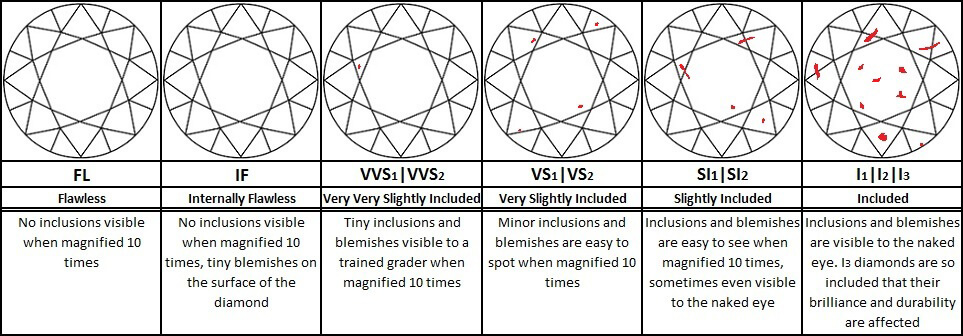
The GIA Diamond Clarity Scale is a standardized grading system developed by the Gemological Institute of America, the leading authority in gemology. The scale ranges from Flawless (no internal or external flaws visible under 10x magnification) to Included (inclusions visible to the naked eye). The clarity grades include:

GIA Diamond Clarity Scale

  1. Flawless (FL) – No inclusions or blemishes visible under 10x magnification.
  2. Internally Flawless (IF) – No inclusions visible under 10x magnification; slight blemishes may be present.
  3. Very, Very Slightly Included (VVS1-VVS2) – Minute inclusions difficult to detect under 10x magnification.
  4. Very Slightly Included (VS1-VS2) – Minor inclusions observed under 10x magnification but not visible to the naked eye.
  5. Slightly Included (SI1-SI2) – Inclusions noticeable under 10x magnification but usually not visible without magnification.
  6. Included (I1-I3) – Inclusions visible to the naked eye, affecting transparency and brilliance.


The Best Clarity Grade vs. The Best Clarity Grade for You

Choosing the best clarity grade for a diamond is a nuanced decision that involves balancing various factors to suit your preferences and budget. While many might be drawn to the idea of owning a diamond with the highest clarity grade, it’s essential to understand that the “best” clarity grade may not always be the best for you. Let’s explore the diamond color guide and the considerations between the highest clarity grade and the one that aligns with your unique requirements.


The Best Clarity Grade – Pursuit of Perfection

Flawless (FL) and Internally Flawless (IF)

The highest clarity grades, Flawless (FL) and Internally Flawless (IF), indicate diamonds with no visible inclusions under 10x magnification. These diamonds are exceptionally rare and often come with a premium price tag. The allure of owning a flawless diamond is undeniable, but practicality and personal preferences must be taken into account.


The Best Clarity Grade for You – Balancing Act

Very Very Slightly Included (VVS) and Very Slightly Included (VS)

For most buyers, diamonds falling within the Very Very Slightly Included (VVS) and Very Slightly Included (VS) categories offer an optimal balance of quality and value. In these grades, inclusions are minimal and often invisible to the naked eye. Choosing a diamond with VVS or VS clarity allows you to enjoy a nearly flawless appearance without the hefty price associated with FL or IF diamonds.


Factors to Consider:

  1. Budget Constraints

While a flawless diamond is a symbol of perfection, it comes at a premium. Assess your budget and determine whether the cost of a higher clarity grade aligns with your overall spending plan.

  1. Visual Preferences

Consider your personal tolerance for imperfections. Some individuals are more sensitive to inclusions than others. Opting for a slightly lower clarity grade might not compromise the visual appeal if inclusions are not noticeable without magnification.

  1. Purpose of the Diamond

If the diamond is intended for an engagement ring or a piece of jewelry worn daily, a slightly lower clarity grade may be pragmatic. Inclusions that are invisible to the naked eye but significantly impact the price can be a wise compromise for an everyday piece.

  1. Individuality of the Diamond

Each diamond is unique, and the presence of certain inclusions can be a distinguishing feature. Some inclusions may be viewed as nature’s signature on your precious gem, adding character and uniqueness.


Different Types of Inclusions in Diamond Clarity

Inclusions are natural imperfections within diamonds that affect their clarity. Common inclusions include:

Different Types of Inclusions in Diamond Clarity

Feathers:

  • Description: Small cracks or fractures that resemble feathers within the diamond.
  • Impact: Depending on the size and location, feathers may be harmless or may affect the diamond’s durability.

Clouds:

  • Description: A group of tiny, closely spaced inclusions that create a hazy or cloudy appearance.
  • Impact: Clouds can affect transparency and brilliance, especially if they are large or numerous.

Needles:

  • Description: Long, thin crystals that may resemble needles or hair-like inclusions.
  • Impact: While small needles may be inconspicuous, larger ones can affect the diamond’s clarity and brilliance.

Pinpoints:

  • Description: Tiny, pinpoint-sized crystals that may be clustered together.
  • Impact: Pinpoints are often insignificant, but their density and arrangement can influence the diamond’s appearance.

Internal Graining:

  • Description: Irregularities in crystal structure that create faint lines within the diamond.
  • Impact: Internal graining may be subtle and not always visible, but pronounced graining can affect the diamond’s transparency.


FAQs About Diamond Clarity

Q1: Can I see inclusions with the naked eye in a VS clarity diamond? In most cases, inclusions in VS clarity diamonds are not visible without magnification. However, individual eyesight and preferences vary, so it’s advisable to examine the diamond in person.

Q2: Are inclusions covered by a warranty or insurance? Insurance may cover damage to the diamond, but it typically doesn’t cover natural inclusions. Check with your jeweler or insurer for specific details.

Q3: Can inclusions affect the durability of a diamond? Generally, small inclusions don’t affect the durability of a diamond. However, large or numerous inclusions might compromise the stone’s integrity.


Buying Tips for Beginners

  1. Prioritize Cut: A well-cut diamond enhances its brilliance and can mask certain inclusions. Opt for an excellent or ideal cut for maximum sparkle.
  2. Consider Clarity Enhancement: Some diamonds undergo treatments to improve clarity. Be aware of any enhancements and their impact on the diamond’s value.
  3. Choose a Trusted Jeweler: Purchase from reputable jewelers with GIA or other reputable certifications, ensuring transparency and quality.
  4. Balance Your Budget: Allocate your budget wisely across the four Cs (cut, color, clarity, carat weight). Prioritize aspects that are most important to you.
  5. Use a Loupe: When inspecting diamonds, use a jeweler’s loupe to view inclusions. This allows you to see details under magnification similar to what a gemologist would use.


Conclusion

Understanding diamond clarity is crucial for making an informed purchase. By familiarizing yourself with the GIA Diamond Clarity Scale, considering the best clarity grade for your preferences, recognizing different types of inclusions, addressing common FAQs, and following essential buying tips, you can embark on your diamond-buying journey with confidence and make a choice that reflects both quality and personal style.…

Best Diamond Color for Rose Gold Rings

Rose gold has emerged as a popular choice for engagement and fashion rings, exuding a warm and romantic allure. When selecting a diamond for a rose gold ring, finding the perfect diamond color becomes crucial to achieving a harmonious and captivating look. In this article, we will delve into the best diamond color for rose gold rings, providing an in-depth explanation of the advantages and benefits readers can expect. By understanding the nuances of diamond color and its interaction with rose gold, readers will feel confident and secure in their diamond purchase, ensuring a ring that radiates beauty and elegance.


The Role of Diamond Color in Rose Gold Rings

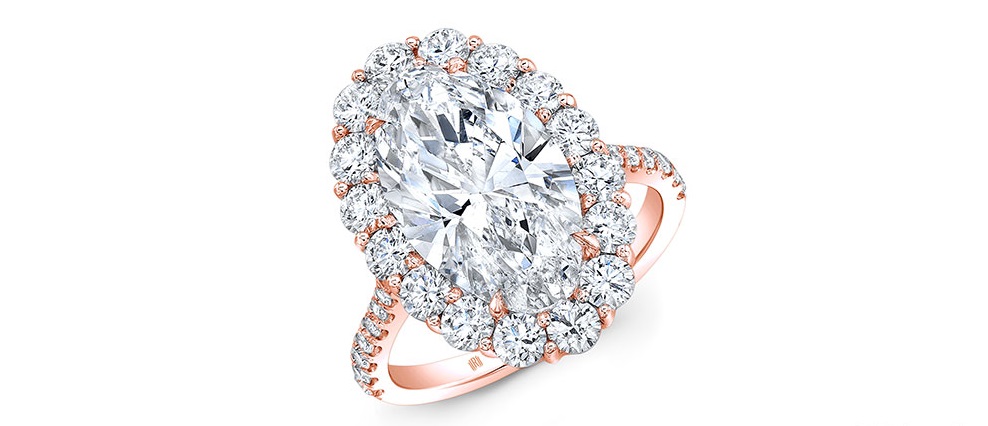
In rose gold rings, the diamond color plays a unique role as it interacts with the warm tones of the metal. Unlike white gold or platinum, which provide a contrasting backdrop for diamonds, rose gold complements and harmonizes with diamonds in a distinctive way. The right diamond color enhances the romantic and vintage appeal of rose gold, resulting in a breathtaking combination that evokes a sense of timeless beauty.


The Best Diamond Color for Rose Gold Rings

Advantages of Warm Diamond Colors:

Diamonds with warm color tones, such as those in the G-J range, tend to complement the warm hues of rose gold exceptionally well. These diamonds can create a seamless and enchanting visual effect, as their slight hints of color harmonize with the metal, enhancing the overall warmth and charm of the ring. This combination exudes a unique and alluring character that sets rose gold rings apart.

Natural Contrast and Uniqueness:

Opting for a diamond with a slightly lower color grade in a rose gold ring allows for a natural contrast and adds a touch of individuality. The subtle color variations in diamonds of warmer tones create a captivating interplay of shades, lending a sense of depth and character to the ring. This uniqueness can be particularly appealing for those seeking a non-traditional and distinctive engagement or fashion ring.


Benefits of Warm Diamond Colors in Rose Gold Rings

Enhanced Warmth and Romantic Appeal: The interaction between the diamond’s warm color and rose gold amplifies the ring’s overall warmth and romantic appeal. The combination evokes a vintage aesthetic, reminiscent of timeless elegance and classic beauty.

Diamond Colors in Rose Gold Rings

Forgiving Nature: Diamonds with warmer color tones tend to be more forgiving when it comes to potential inclusions or slight imperfections. The subtle color presence can help mask any minor flaws, ensuring that the diamond maintains its captivating beauty.

Budget Considerations: Diamonds in the G-J color range often offer an attractive balance between visual appeal and affordability. Opting for a slightly lower color grade allows buyers to allocate their budget towards other aspects, such as cut or carat weight, while still achieving a stunning rose gold ring.

Personal Style and Preferences

When selecting the best diamond color for a rose gold ring, personal style and preferences play a significant role. Some individuals may prefer the subtle color variations in warmer diamond tones, appreciating their unique and vintage-inspired charm. Others may lean towards diamonds with higher color grades, seeking a more classic and pristine look. Considering personal style and preferences ensures that the diamond color chosen resonates with the wearer’s individuality and complements their overall aesthetic.

Seeking Expert Guidance

Consulting with a trusted jeweler or gemologist can provide invaluable assistance in selecting the best diamond color for a rose gold ring. These professionals possess the expertise to evaluate the interplay between diamond color and rose gold, guiding buyers towards options that align with their preferences, budget, and desired visual effect.


To further assist readers in selecting the best diamond color for their rose gold ring, here are a few additional tips:

Consider Diamond Cut: The diamond cut can greatly influence how color is perceived. Opting for a well-cut diamond can maximize its brilliance and sparkle, drawing attention away from any subtle color variations. A high-quality cut can enhance the overall beauty of the diamond and complement the warm tones of rose gold.

Personalize with Colored Diamond Accents: For those looking to add a pop of color to their rose gold ring, colored diamond accents can be a fantastic option. Consider incorporating fancy colored diamonds, such as pink or champagne, as side stones or in a halo setting. These colored accents can create a stunning contrast against the rose gold, making the ring even more unique and personalized.

Diamond Accent Ring

View Diamonds in Different Lighting: When evaluating diamond color, it’s essential to view diamonds in various lighting conditions. Natural and artificial lighting can affect how a diamond’s color appears. By observing the diamond under different lighting scenarios, you can get a better understanding of how it will look in your rose gold ring.

Trustworthy Certification: When purchasing a diamond for your rose gold ring, ensure it comes with a reliable certification from a reputable gemological laboratory, such as the Gemological Institute of America (GIA). The certification will provide an objective assessment of the diamond’s color, ensuring transparency and peace of mind in your purchase.

Care and Maintenance: Regardless of the diamond color chosen, proper care and maintenance will ensure its long-lasting beauty. Regular cleaning and professional inspections will help maintain the diamond’s brilliance and sparkle, allowing it to shine alongside the captivating warmth of your rose gold ring.

Cost Savings: Warm diamonds are generally less expensive than their colorless counterparts. If you’re working within a budget, opting for a warm diamond can allow you to allocate more of your budget to other aspects of the ring, such as carat weight or craftsmanship.


Conclusion

Selecting the best diamond color for a rose gold ring is a matter of personal preference and style. Warm diamond colors in the G-J range complement the warmth of rose gold, creating a harmonious and romantic aesthetic. The advantages of warm diamond colors include enhanced warmth, forgiveness, and budget flexibility. By considering the diamond cut, exploring colored diamond accents, viewing diamonds in different lighting, and seeking reputable certification, readers can make an informed decision and feel confident in their diamond purchase for their rose gold ring. Remember, the perfect diamond color will enhance the allure of your rose gold ring, resulting in a cherished piece of jewelry that reflects your unique style and celebrates your special moments.…

Best Diamond Color for White Gold Rings

When it comes to selecting a diamond for a white gold ring, finding the perfect balance of diamond color is crucial. The right diamond color can enhance the brilliance and overall appearance of the ring, creating a stunning and harmonious combination. In this article, we will explore the best diamond color for white gold rings, providing an in-depth explanation of the pros and cons, along with valuable tips to help readers make an informed decision. By understanding the intricacies of diamond color, readers will feel confident and secure in their diamond purchase, ensuring a ring that exudes timeless elegance.


The Role of Diamond Color in White Gold Rings

In white gold rings, the diamond color becomes particularly important as it interacts with the metal’s color. Unlike yellow gold, which imparts warmth to diamonds, white gold acts as a backdrop, allowing the diamond’s color to stand out more prominently. Therefore, selecting the ideal diamond color for a white gold ring is crucial to achieving the desired aesthetic and visual impact.


The Best Diamond Color for White Gold Rings

Pros of Higher Diamond Color Grades:

Diamonds with higher color grades, typically in the D-F range, are considered the best choice for white gold rings. These colorless diamonds beautifully complement the cool and silvery tone of white gold, creating a striking contrast. The absence of noticeable color allows the diamond to reflect light with exceptional brilliance, enhancing the overall sparkle and radiance of the ring. Opting for a higher color grade ensures a clean and pristine appearance, making it a popular choice for those seeking a classic and luxurious look.


Cons of Higher Diamond Color Grades:

While higher color grades offer exceptional beauty, they are generally associated with higher price points. The premium cost of colorless diamonds may be a limiting factor for some buyers. It is important to consider individual preferences, budget constraints, and the overall value proposition when deciding on the diamond color grade for a white gold ring.


Tips for Selecting the Best Diamond Color for White Gold Rings

Consider Personal Preferences: Diamond color is a matter of personal preference. Some individuals appreciate the brilliance and crispness of colorless diamonds, while others may prefer a diamond with a hint of warmth or a specific color grade that complements their skin tone. Evaluating personal preferences and desired aesthetic outcomes is crucial in selecting the perfect diamond color for a white gold ring.

Understand the Color Range: Familiarize yourself with the Diamond Color Grade Chart, ranging from D (colorless) to Z (light yellow or brown). Understanding the subtle differences between adjacent color grades will enable you to make an informed decision and choose a diamond color that aligns with your vision.

Consider the 4Cs: Remember that diamond color is just one aspect of the 4Cs (cut, color, clarity, and carat weight) that contribute to a diamond’s beauty and value. Consider the interplay of all these factors when selecting a diamond for your white gold ring.

White Gold Wedding Ring

Seek Expert Advice: Consult with a trusted jeweler or gemologist who can provide professional guidance based on your preferences, budget, and the specific characteristics of white gold. Their expertise will help you navigate the vast selection of diamonds and select the best diamond color for your white gold ring.

View Diamonds in Different Lighting: Whenever possible, view diamonds under various lighting conditions to observe how their color appears in different settings. This will give you a better understanding of how the diamond will look in your white gold ring under different lighting scenarios.


Furthermore, it’s important to consider the wearer’s lifestyle and personal style when selecting the best diamond color for a white gold ring. Here are a few additional factors to keep in mind:

Lifestyle Considerations

Durability: White gold rings are often worn daily and are exposed to various activities and environments. If the ring will be subject to significant wear and tear, opting for a slightly lower color grade, such as G or H, can be a practical choice. These diamonds still maintain their beauty while offering a more budget-friendly option.

Maintenance: Higher color grades, such as D-F, may be more forgiving when it comes to showing signs of wear, as any potential discoloration or patina that may occur over time can be less noticeable. However, with proper care and maintenance, any diamond color grade can retain its beauty.


Budget Considerations

Value Proposition: While colorless diamonds are highly desirable, it’s important to evaluate the overall value proposition. Depending on individual preferences and budget constraints, diamonds in the G-J color range can offer a balance between visual appeal and affordability. These diamonds can still exhibit remarkable beauty when set in a white gold ring.

Prioritizing Cut Quality: In some cases, it may be more beneficial to allocate a larger portion of the budget to prioritize the diamond’s cut quality rather than focusing solely on the color grade. A well-cut diamond can maximize its brilliance and sparkle, ultimately enhancing the overall beauty of the white gold ring.


Personalization and Uniqueness

Fancy Color Diamonds: For those seeking a more distinctive and unique look, fancy color diamonds can be an excellent option for white gold rings. Fancy color diamonds come in a range of hues, including yellow, pink, blue, and more. These diamonds can create a captivating contrast against white gold, resulting in a truly one-of-a-kind piece.

Fancy Colored Diamonds

Colored Diamond Accents: Another way to add a touch of color to a white gold ring is by incorporating colored diamond accents. For example, using colored diamonds as side stones or in a halo setting can create a stunning visual effect and allow for personalization.


Conclusion

Selecting the best diamond color for a white gold ring involves careful consideration of personal preferences, desired aesthetics, and budget constraints. Diamonds in the D-F color range are often considered ideal for white gold rings due to their colorless beauty and ability to create a striking contrast. However, individual taste plays a significant role in determining the perfect diamond color. By understanding the pros and cons of different color grades, following valuable tips, and seeking expert advice, readers can confidently make a diamond purchase that results in a white gold ring that exudes timeless elegance and reflects their unique style. Remember, finding the perfect balance of diamond color for a white gold ring will create a lasting symbol of love and beauty that will be cherished for generations to come.…

New York | Most Expensive Diamond Ever Sold at Sotheby’s

New York, a city renowned for its towering skyscrapers and opulent lifestyle, has once again etched its name in the annals of luxury with the sale of the most expensive diamond ever at the prestigious auction house, Sotheby’s. This extraordinary event has captivated the attention of collectors, investors, and enthusiasts worldwide, drawing them into the glittering world of high-value gemstones.


The Crown Jewel: The Most Expensive Diamond Ever Sold

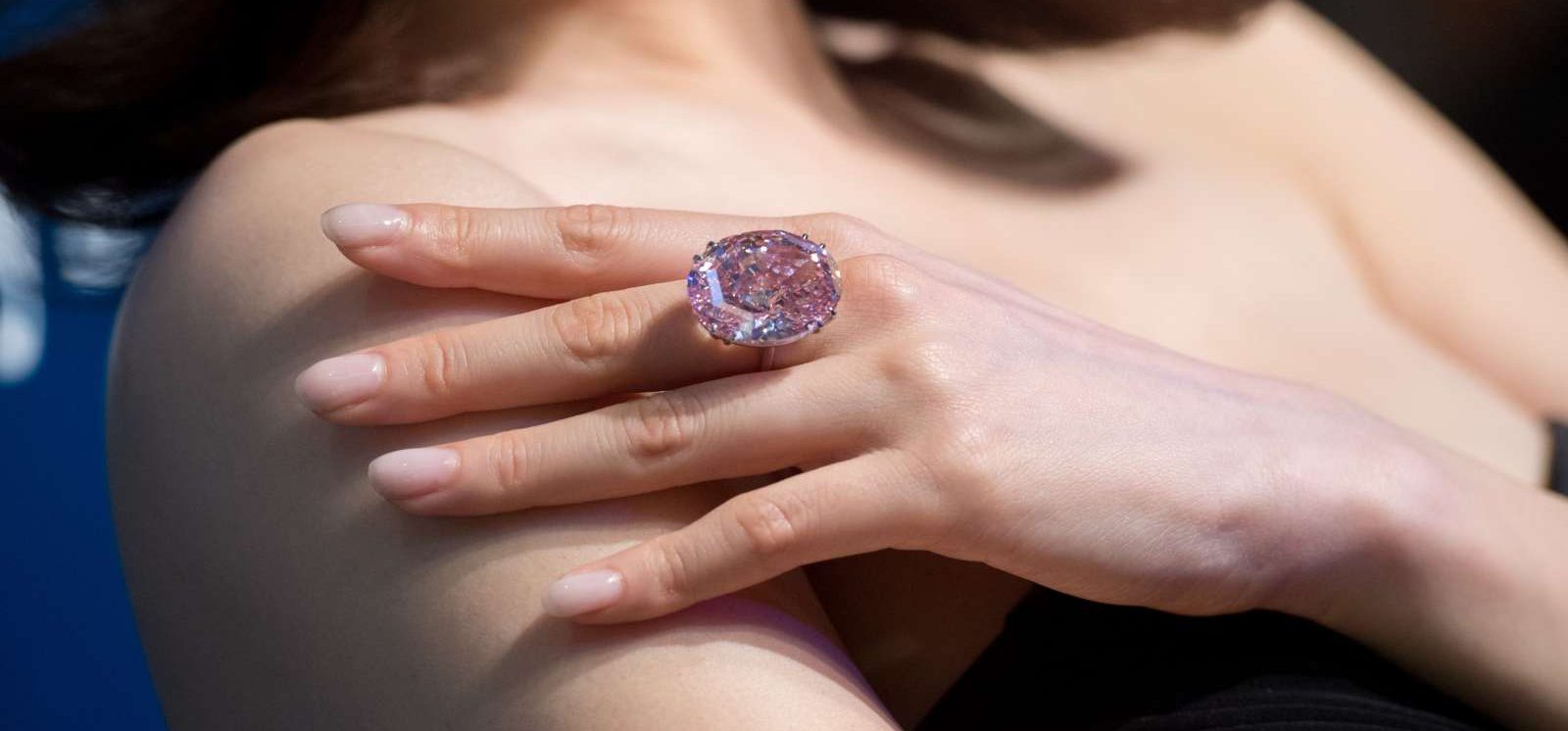
The crown jewel in question is none other than the Pink Star, a mesmerizing pink diamond that set a new benchmark in the world of luxury auctions. Weighing in at an astonishing 59.60 carats, the Pink Star made history at Sotheby’s Geneva auction in 2017, fetching an eye-watering price of over $71 million. This breathtaking gemstone, which was originally mined in Africa, is a Type IIa diamond, renowned for its exceptional clarity and pure composition.

Pink Star Diamond at Sotheby’s Geneva auction

The Pink Star’s Dazzling Pedigree

Carat Weight and Rarity:

The Pink Star boasts an extraordinary weight of 59.60 carats, making it a behemoth among gemstones. However, its allure extends beyond sheer size. This pink diamond belongs to the exclusive category of Type IIa diamonds, known for their exceptional clarity and remarkable purity. Its rarity elevates it to a level of prestige coveted by collectors and connoisseurs alike.


Origins and Mining:

Mined in Africa, the Pink Star emerged from the earth with an inherent radiance that captivated the attention of gem enthusiasts. Its origins and the journey from the depths of the earth to the grand stage of Sotheby’s add to its mystique, creating a narrative that enhances its intrinsic value.


The Pinnacle of Luxury Auctions: Sotheby’s

A Legacy of Excellence:

The Pink Star found its place in history at a Sotheby’s auction in Geneva in 2017. Sotheby’s, a venerable institution with a legacy dating back to 1744, has curated auctions that span centuries, showcasing the finest art, jewelry, and collectibles. The auction house’s commitment to excellence and a meticulous curation process contributed to the Pink Star’s remarkable journey to the pinnacle of luxury auctions.


Provenance and Trust:

Sotheby’s commitment to provenance and transparency is a cornerstone of its reputation. Buyers at Sotheby’s can trust that each gemstone has undergone rigorous authentication, ensuring its authenticity and quality. The Pink Star, with its impeccable provenance, now stands as a symbol of trust and reliability associated with the Sotheby’s name.


Beyond the Record-Breaking Sale: The Legacy of the Pink Star

Global Acclaim:

The Pink Star’s record-breaking sale not only secured its place in history but also bestowed upon it a level of global acclaim reserved for the most extraordinary of gemstones. Its name is now eternally linked with the prestigious auction house and the city where dreams are realized—New York.


Investment Value:

For those who view diamonds as investments, the Pink Star exemplifies the enduring value that high-quality gemstones can command. Its record-breaking sale has elevated its status, turning it into not just a jewel but a tangible asset with the potential for lasting appreciation.


Sotheby’s: A Pillar of Trust in the World of Auctions

The question that often arises when dealing with such high-value transactions is the reliability of the auction house. Sotheby’s, with its rich heritage dating back to 1744, has established itself as a global leader in the auction world. With a reputation built on centuries of experience, Sotheby’s is synonymous with trust, transparency, and excellence. The auction house employs a rigorous process of authentication, provenance verification, and expert evaluation to ensure the authenticity and quality of each item that graces its auction block.


A Tapestry of Tradition and Innovation

Rich Heritage:

Sotheby’s rich heritage is woven into the fabric of the art world. Founded in London over 275 years ago, the auction house has played a pivotal role in shaping the market for rare and valuable items. The weight of tradition and the echoes of centuries past add an aura of gravitas to every transaction facilitated under the Sotheby’s banner.


Global Presence:

Beyond its storied past, Sotheby’s has embraced the dynamism of the modern era. With a global presence spanning key cities worldwide, including New York, London, Hong Kong, and Paris, Sotheby’s has evolved into a truly international powerhouse. Its auctions serve as crossroads where treasures from diverse cultures and eras converge, attracting a discerning global clientele.


Unveiling the Benefits: Buying Diamonds at Sotheby’s

Buying Diamonds at Sotheby’s

  1. Unparalleled Quality and Rarity:
  • Sotheby’s specializes in curating auctions that showcase some of the world’s most exquisite and rare diamonds. The Pink Star is a testament to the unparalleled quality and rarity of gemstones available through Sotheby’s auctions.
  1. Expertise of Gemologists:
  • One of the significant advantages of buying diamonds at Sotheby’s is the expertise of its in-house gemologists. These seasoned professionals meticulously examine and grade each diamond, providing buyers with detailed information about the gem’s cut, color, clarity, and carat weight.
  1. Provenance and Transparency:
  • Sotheby’s places a strong emphasis on provenance and transparency. Buyers at Sotheby’s can trace the history of each diamond, ensuring that they are acquiring a gemstone with a distinguished heritage and an authentic story.
  1. Global Recognition:
  • Diamonds sold at Sotheby’s gain global recognition, contributing to their prestige and long-term value. The Pink Star, now eternally linked with Sotheby’s, stands as a testament to the international acclaim that accompanies diamonds sold through this esteemed auction house.
  1. Tailored Services for Buyers:
  • Sotheby’s offers personalized services for buyers, including expert advice, private viewings, and assistance throughout the purchasing process. This commitment to client satisfaction enhances the overall buying experience and reinforces Sotheby’s position as a trusted partner in high-value transactions.
  1. Investment Potential:
  • For those viewing diamonds as an investment, buying at Sotheby’s provides an opportunity to acquire gems with exceptional investment potential. The Pink Star’s record-breaking sale is a testament to the enduring value that high-quality diamonds can command over time.


Conclusion

The sale of the most expensive diamond ever at Sotheby’s in New York is a dazzling testament to the city’s status as a hub of luxury and refinement. Sotheby’s, with its unwavering commitment to excellence and a legacy of centuries, continues to play a pivotal role in bringing the world’s most extraordinary diamonds to discerning collectors and enthusiasts. As the Pink Star and other illustrious gemstones grace the auction block, Sotheby’s remains a beacon of trust and opulence in the world of high-stakes auctions.…

Finding Neverland | Honey’s Musical Review

Finding Neverland

In the realm of Broadway enchantment, “Finding Neverland” emerges as a captivating musical that transcends the boundaries of imagination. This theatrical masterpiece, inspired by the 2004 film of the same name, takes audiences on a magical journey into the creative mind of J.M. Barrie, the renowned author of “Peter Pan.” In this in-depth review, we explore the brilliance of “Finding Neverland,” the significance behind its title, and the profound lessons it imparts.

The title “Finding Neverland” carries a rich backstory rooted in the narrative of the musical and the real-life inspiration behind J.M. Barrie’s creation of “Peter Pan.” The musical, which explores the life of J.M. Barrie and the genesis of his iconic play, draws from historical events and the relationships that influenced Barrie’s imaginative journey. The term “Neverland” itself is derived from Barrie’s original play “Peter Pan, or The Boy Who Wouldn’t Grow Up,” first performed in 1904. Neverland is the fictional, magical island where Peter Pan and his fairy companion Tinker Bell reside. In this fantastical realm, time stands still, and individuals never age, making it a place of eternal youth, imagination, and adventure.


Backdrop of “Finding Neverland”

  1. Creative Block and Inspiration:
    • At the start of the musical, J.M. Barrie is portrayed as a playwright facing a creative block. He struggles to find inspiration for his next work until he encounters the Llewelyn Davies family, particularly the children.
  2. Bond with Llewelyn Davies Family:
    • Barrie’s friendship with Sylvia Llewelyn Davies and her four sons becomes a transformative force in his life. Through his interactions with the children, Barrie rediscovers the joy and wonder of childhood.
  3. Imaginary Adventures:
    • As Barrie spends time with the Llewelyn Davies boys, they engage in imaginative play and embark on fantastical adventures. These play sessions become a source of inspiration for Barrie’s storytelling.
  4. Creation of “Peter Pan”:
    • The culmination of Barrie’s experiences with the Llewelyn Davies family and their imaginative escapades is the creation of “Peter Pan.” Neverland, the magical island in Barrie’s play, becomes a symbol of the boundless creativity and endless possibilities that Barrie discovers through his relationships and experiences.


Significance of the Title

The title “Finding Neverland” reflects Barrie’s personal journey of finding a place of perpetual imagination and youth within himself. It signifies the rediscovery of a childlike wonder and the boundless creative space that allows him to break free from the constraints of adult life. “Neverland” becomes both a destination and a state of mind—an imaginative realm where dreams take flight and where Barrie finds the inspiration to write one of the most enduring stories in literary history.


Unveiling the Splendor of “Finding Neverland”

  1. A Captivating Narrative:

“Finding Neverland” unfolds with the whimsy of a fairy tale, chronicling the life of J.M. Barrie as he discovers the inspiration for one of the most beloved stories in literary history. The narrative seamlessly weaves together elements of fantasy and reality, inviting the audience to experience the magic that sparks creativity.

  1. Mesmerizing Musical Scores:

The musical’s score, composed by Gary Barlow and Eliot Kennedy, transports spectators to a world where notes dance in harmony with the enchanting storyline. From lively and exuberant numbers to poignant ballads, the music of “Finding Neverland” captures the essence of each character’s journey.

  1. Stellar Performances:

The cast’s performances breathe life into the characters, with standout portrayals that resonate long after the final curtain falls. The dynamic between Barrie and the Llewelyn Davies family is portrayed with heartwarming sincerity, drawing the audience into their world of make-believe.

  1. Spectacular Set Design:

The visual spectacle of “Finding Neverland” is enhanced by its imaginative set design. From the bustling streets of London to the magical landscapes of Neverland, each scene is a visual feast that immerses the audience in the fantastical world of the story.


Why “Finding Neverland”? Unraveling the Title’s Significance


  1. The Quest for Imagination:

The title “Finding Neverland” encapsulates the central theme of the musical— the exploration and discovery of the boundless realm of imagination. Neverland symbolizes a place where dreams come to life, and through the creative process, Barrie finds his version of this magical world.


  1. Escaping Reality:

“Finding Neverland” alludes to the escapism inherent in the act of creation. Barrie, seeking refuge from the constraints of his reality, delves into the imaginative space of Neverland. The title invites the audience to ponder their own avenues of escapism and the transformative power of creativity.


Lessons from “Finding Neverland”

  1. Embrace Imagination:

The musical encourages us to embrace the power of imagination and creativity. It serves as a reminder that within the recesses of our minds, we can find a Neverland—a place of infinite possibilities and wonder.


  1. Cherish Childlike Wonder:

“Finding Neverland” invites us to reconnect with the childlike wonder that resides within us. It encourages embracing curiosity, spontaneity, and the joy of unfettered imagination that often fades with the passage of time.

Cherish Childlike Wonder

  1. The Alchemy of Storytelling:

As Barrie discovers, storytelling is a transformative and healing force. “Finding Neverland” underscores the impact of narratives in shaping our lives, fostering connections, and allowing us to navigate the complexities of the human experience.


  1. Embrace Unconventional Paths:

Barrie’s journey challenges conventional norms, encouraging us to embrace unconventional paths in pursuit of our passions. The musical inspires audiences to break free from societal expectations and explore the unique realms of creativity that beckon to each individual.


  1. Immerse in the Joy of the Present:

“Finding Neverland” emphasizes the importance of being present in the moment and finding joy in simple pleasures. The imaginative play and adventures shared by Barrie and the Llewelyn Davies children illustrate the transformative effect of fully immersing oneself in the joy of the present.


  1. Break Free from Constraints:

The musical suggests breaking free from societal constraints and expectations. Barrie’s journey challenges norms, illustrating that sometimes, the pursuit of creativity and fulfillment requires stepping outside established boundaries and embracing one’s unique path.


Conclusion

“Finding Neverland” is not merely a musical; it is a poignant exploration of the human spirit’s capacity for imagination and the transformative power of storytelling. Through its enchanting narrative, stellar performances, and timeless lessons, the musical beckons us to embark on our own quest for Neverland—a place where dreams take flight, and the magic of creativity knows no bounds.…